
We all have one. That drawer with the tangled chains, the single earring whose twin vanished years ago, the ring with the dented band. You keep meaning to deal with it. You never do.
Here’s the twist most people miss: that pile of broken items might be worth real money right now, and probably more than it was a year ago. Damaged doesn’t mean worthless. Not even close.
This guide answers the question head-on: should you sell broken jewelry, or is it destined to gather dust forever? We’ll break down what your broken pieces are actually worth, when repair makes sense, when scrapping wins, and how to walk away with a fair price.
Here’s the ground we’ll cover:
- Why broken jewelry still holds serious value
- Repair versus scrap, and how to decide
- Which pieces are worth more than their metal
- Where to sell, and how to avoid a lowball
- The simple math behind every fair offer
At Gold & Jewelry Buyers, we buy broken and damaged pieces every single day, and we price them against the live market. When you’re ready, that drawer can become cash.
Does Broken Jewelry Still Have Value
Short answer: yes, almost always. Here’s the reasoning that makes it click.
Damage Doesn’t Touch the Metal
When you sell broken gold for scrap, the buyer isn’t buying a wearable piece. They’re buying the raw metal inside it, which gets melted down and refined into something new. A snapped chain, a dented gold ring, a bracelet with a broken clasp: all valued the same as a pristine version, provided the weight and purity match.
Gold’s value doesn’t decrease when it’s damaged. That’s the core truth to hold onto. Scratches, bends, and missing stones are cosmetic. The precious metal content stays exactly the same, and that content is where the money lives.
Weight and Purity Do All the Work
The worth of any broken piece comes down to two numbers: how much it weighs, and how pure it is. Everything else is noise.
Purity is measured in carats, and it matters a lot:
- A 22ct gold item is worth far more than a 9ct piece of the same weight
- 18K holds more gold per gram than 14K, which beats 10K
- The higher the carat, the fatter the payout
Flip your piece over and look for a tiny stamp, the hallmark. You’ll see a number like 10K, 14K, 18K, or a three-digit figure like 585 or 750. That stamp is your first clue to gold content, though a reputable buyer will always test it to confirm.
Rising Prices Make Now a Smart Time
There’s a timing angle worth flagging. Gold’s market price fluctuates daily, and it has climbed to record highs recently. That means the exact same broken chain is worth more today than it was a couple of years ago.
When precious metal prices run high, selling broken jewelry becomes especially worthwhile. Your damaged item didn’t change. The market moved in your favor.
Should You Repair It or Scrap It
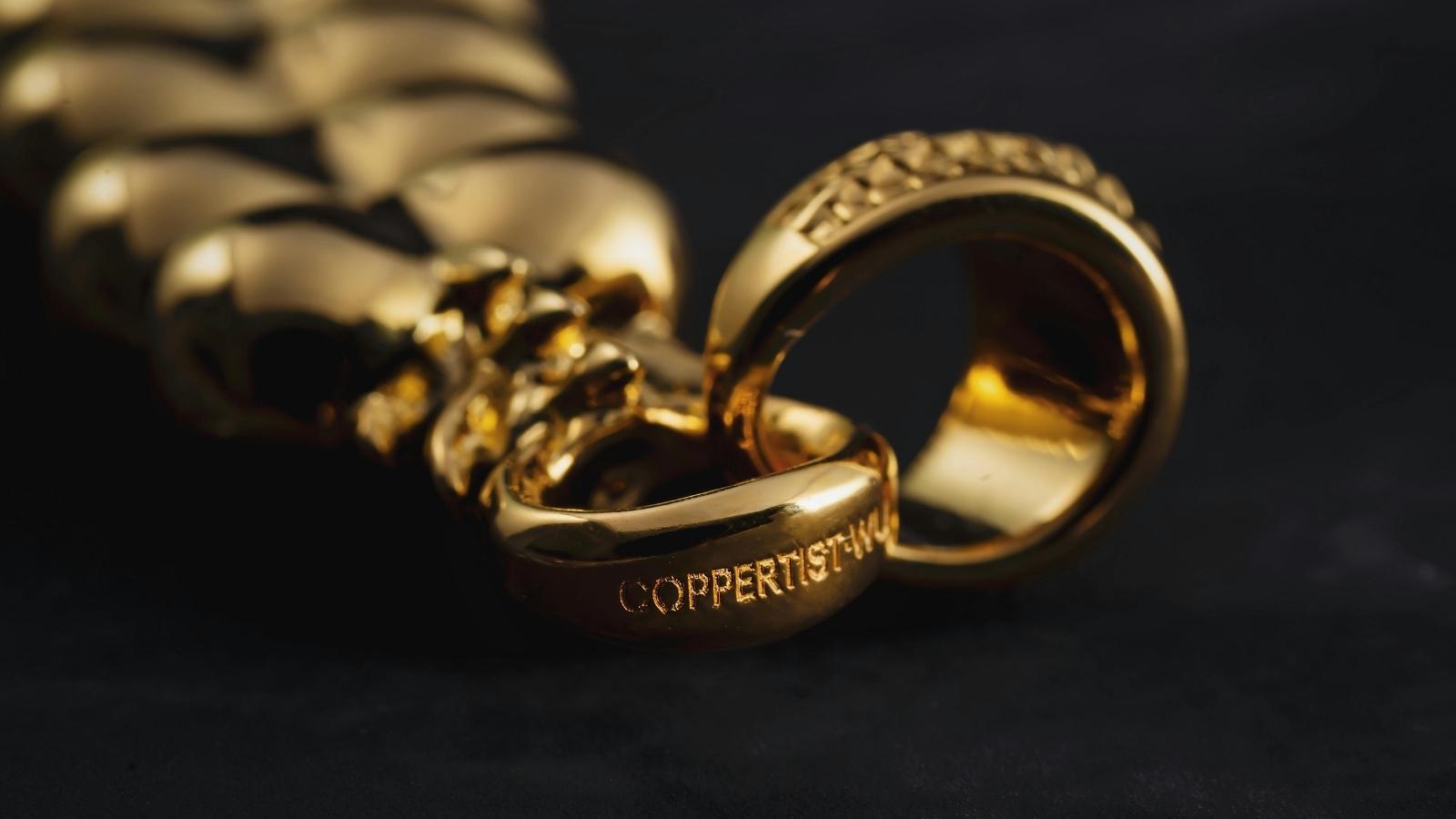
This is the fork in the road, and getting it right saves you money. The answer hinges on one comparison.
The Repair Trap Most Sellers Fall Into
One of the most common mistakes is paying to fix a broken item before selling it. It feels logical: repair the clasp, restore the value, sell for more. In practice, it rarely works.
For a standard gold item sold as scrap, the cost of jewelry repair almost always exceeds the value it adds. A buyer melting the piece down doesn’t care whether the clasp works. So you’d be spending money to fix something the buyer will destroy anyway. Save the repair cost and sell it as-is.
When Fixing Actually Makes Sense
Repair pays off in one specific case: when the piece is worth more whole than melted. That means keeping it to wear or reselling it intact, not scrapping it.
Ask yourself whether the item is:
- A designer or branded piece with resale demand
- A genuine antique with collector interest
- Set with valuable diamonds or gemstones worth preserving
If yes, repair costs might be justified because you’re protecting resale value, not scrap value. If no, skip the fix.
A Simple Rule of Thumb
Compare the repair cost against two other numbers: what the piece would sell for repaired, and what it fetches as scrap right now. If repair costs more than it adds, scrap wins. Don’t automatically melt a piece without checking, but don’t over-invest in fixing standard gold either.
For anything you suspect is special, a free professional evaluation settles the question before you spend a dime on repairs.
Which Broken Pieces Are Worth More Than Scrap
Most broken jewelry is a scrap play. But some pieces punch above their metal weight, and knowing the difference protects you from underselling.
Designer and Branded Items
Broken designer jewelry can sometimes fetch more than its scrap weight. A damaged piece from a recognized luxury house may carry brand value that survives the damage, especially if it can be repaired and resold rather than melted.
If your broken piece bears a designer hallmark, don’t rush it to the scrap pile. Get a designer jewelry evaluation first. The brand might be worth more than the gold.
Stones and Gemstones
Here’s where it gets nuanced, so read this part twice.
- Small accent stones are often considered near-worthless by scrap buyers. The tiny chips in a cluster setting rarely move the needle.
- Valuable gemstones, though, can hold significant value even when the setting is broken. A real diamond, sapphire, or emerald keeps its worth regardless of the damaged setting around it.
If your broken piece has a substantial center stone, that stone may be worth far more than the gold holding it. Have it assessed separately before treating the whole thing as scrap. A good buyer evaluates the metal and the stones as two distinct sources of value.
The One Rule That Covers Everything
When in doubt, get a professional opinion before you sell. Professional appraisals help reveal a piece’s true intrinsic value, catching the designer premium or the valuable stone that a rushed scrap sale would miss. It costs nothing to ask, and it can change your payout dramatically.
Where Should You Sell Broken Jewelry
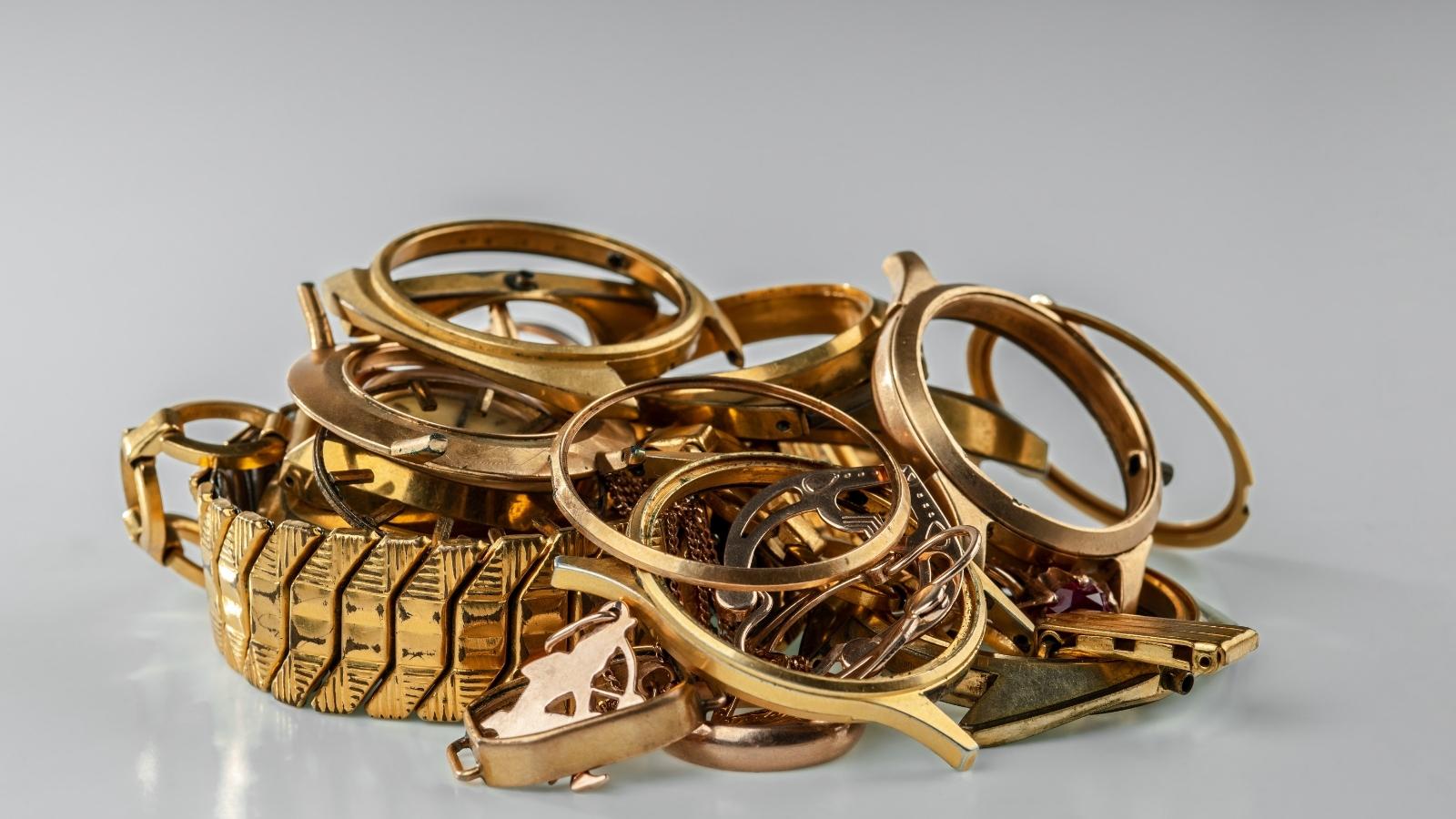
You’ve got options, and they’re not created equal. Each selling route trades off convenience against how much you actually pocket.
Your Main Selling Routes
| Where to Sell | Best For | The Trade-Off |
|---|---|---|
| Specialist gold buyers | Best scrap payouts | Requires a visit or shipping |
| Local jewelers | Face-to-face trust | May favor resale over metal value |
| Pawn shops | Fast cash | Often below-market prices |
| Online marketplaces | Wearable, resellable pieces | Slower, more effort |
Selling Online, Safely
Selling broken jewelry online is easy and increasingly popular. Many websites let you request a quote, then send in your items using prepaid, insured postage for safety. You get a free evaluation, and if you like the offer, you get paid.
The catch is trust. You’re mailing valuables to a company you can’t see. Stick to buyers with verifiable reviews, clear contact details, and a transparent no-obligation return policy.
Why Face-to-Face Often Wins
For many people, selling in person beats mailing gold away. You watch the buyer weigh and test your pieces, you ask questions, and you get an explanation of every number. That transparency builds confidence that the offer is fair.
Pro tip: Whatever route you choose, get multiple quotes before you sell. Comparing at least two or three offers is the single most effective way to avoid a lowball, and it costs nothing but a little time.
How Buyers Calculate Your Offer
Understanding the math turns you from a passive seller into a sharp one. Once you can estimate your own piece’s worth, no buyer can fog the glass.
The Three-Number Formula
Every fair offer is built from three inputs:
- Weight, measured in grams on a proper jewelry scale
- Purity, confirmed by the carat stamp and a test
- Market price, the live daily spot price of gold
Buyers calculate the pure gold content, then offer a percentage of its melt value to cover refining, overhead, and margin. Know these three numbers, and you can sanity-check any quote instantly.
Sort Before You Sell
One quick move protects your payout: separate your pieces by metal and carat before you go. Don’t let a buyer weigh your 18K gold, 10K gold, and silver all together, since mixing them can lead to a lower blended rate.
Group them like this:
- Gold by carat (10K, 14K, 18K in separate piles)
- Silver on its own
- Platinum on its own
Sorted piles mean accurate pricing and easier comparison between buyers.
Watch for Red Flags
A trustworthy buyer makes their process transparent. Be cautious when you see:
- No willingness to test your gold in front of you
- An offer with no breakdown of weight, purity, and percentage
- Pressure to decide on the spot
- No verifiable address or reviews
An honest buyer walks you through the math happily. That willingness is the test.
Turn That Broken Gold Into Cash With G&J Buyers
So, should you sell broken jewelry? For most pieces gathering dust, the answer is a clear yes. Damage doesn’t erase value, gold prices are high, and that cluttered drawer could hand you real cash today.
Here are the key takeaways to keep:
- Broken jewelry keeps its value through metal weight and purity
- Repair rarely pays off for standard scrap gold
- Designer pieces and real gemstones can beat scrap value
- Always sort by metal and carat before selling
- Get multiple quotes to dodge a lowball
That’s exactly where we come in. At Gold & Jewelry Buyers, we assess the metal and the stones, explain every number out loud, and hand you a fair, no-pressure offer. Bring in your broken pieces and get your free quote. No obligation, no runaround.
Frequently Asked Questions
What is the 2:1:1 rule in jewelry?
It’s a styling rule, not a selling one. It means wearing two subtle pieces, one medium, and one statement piece for a balanced look. It doesn’t affect resale value.
What do you do with broken jewelry?
Sell it for its metal value. Broken chains, single earrings, and dented rings all hold scrap worth based on weight and purity, turning clutter into cash.
How to sell jewelry and not get ripped off?
Get multiple quotes, know your gold’s weight and purity first, and only use buyers who test in front of you and explain their offer.
What is the most profitable way to sell jewelry?
For wearable designer pieces, resale beats scrap. For damaged standard gold, a specialist buyer paying a high percentage of melt gets you the best price.