
Gold just keeps climbing, and if you own any, you’ve probably wondered what’s actually pulling the strings. Is it inflation? The Fed? Some trader in London? The truth is stranger and simpler than the headlines suggest.
Gold’s price answers to a handful of forces, and once you can name them, the daily swings stop looking like chaos. They start looking like a pattern you can read. This guide breaks down exactly what affects gold value, so you know why the number moves and, more importantly, when it might work in your favor.
Here’s the ground we’ll cover:
- The core forces that move the price of gold
- How interest rates and the U.S. dollar pull the strings
- Why central banks are quietly hoarding the metal
- How supply, demand, and sentiment shape every quote
- What it all means for the gold sitting in your drawer
At Gold & Jewelry Buyers, we live and breathe these market movements daily, and we price every piece against the live market. When you’re ready to sell, that knowledge lands in your pocket.
The Big Picture: A Tug of War
Gold’s price is a tug of war between supply and demand, pulled in real time by a rope with many hands on it. No single force sets the number. They compete.
That’s the mental model to carry through this whole piece. When you hear that gold rises or falls, something shifted the balance of that rope. Your job as a seller is simply to know which hands are pulling hardest right now.
A few features make gold especially sensitive to these forces:
- It doesn’t pay interest or dividends, so it competes with yield-bearing assets
- Its physical supply is slow to change, which makes demand the louder voice
- It carries thousands of years of trust as a store of value
Keep that trio in mind. Nearly everything that follows traces back to one of these three traits.
How Interest Rates Move Gold
Interest rates are arguably the single biggest lever on gold’s price, and the logic is refreshingly intuitive once it clicks.
Gold pays you nothing to hold it. No interest, no dividend. So when interest rates rise and safe assets like bonds start paying a healthy yield, gold suddenly looks less attractive by comparison. Why sit on metal when a bond pays you to wait? That’s the opportunity cost of holding gold, and it climbs as rates climb.
Flip it around, and the magic happens. When interest rates fall, that yield on other assets shrinks, and gold’s zero-yield stops feeling like a penalty. Investor demand tends to swing back toward the metal.
Gold has an inverse relationship with interest rates. Rates up, gold pressured. Rates down, gold favored.
This is why every word from the Federal Reserve gets dissected. Gold prices often react not to today’s rates but to expectations about future monetary policy. A hint of coming cuts can send gold higher before a single rate actually moves.
Pro tip: If you’re watching for a good moment to sell gold, keep half an eye on Fed announcements. Signals of falling rates tend to lift gold, while talk of hikes can cool it. You don’t need to be an economist, just aware of the direction.
The Dollar’s Inverse Dance
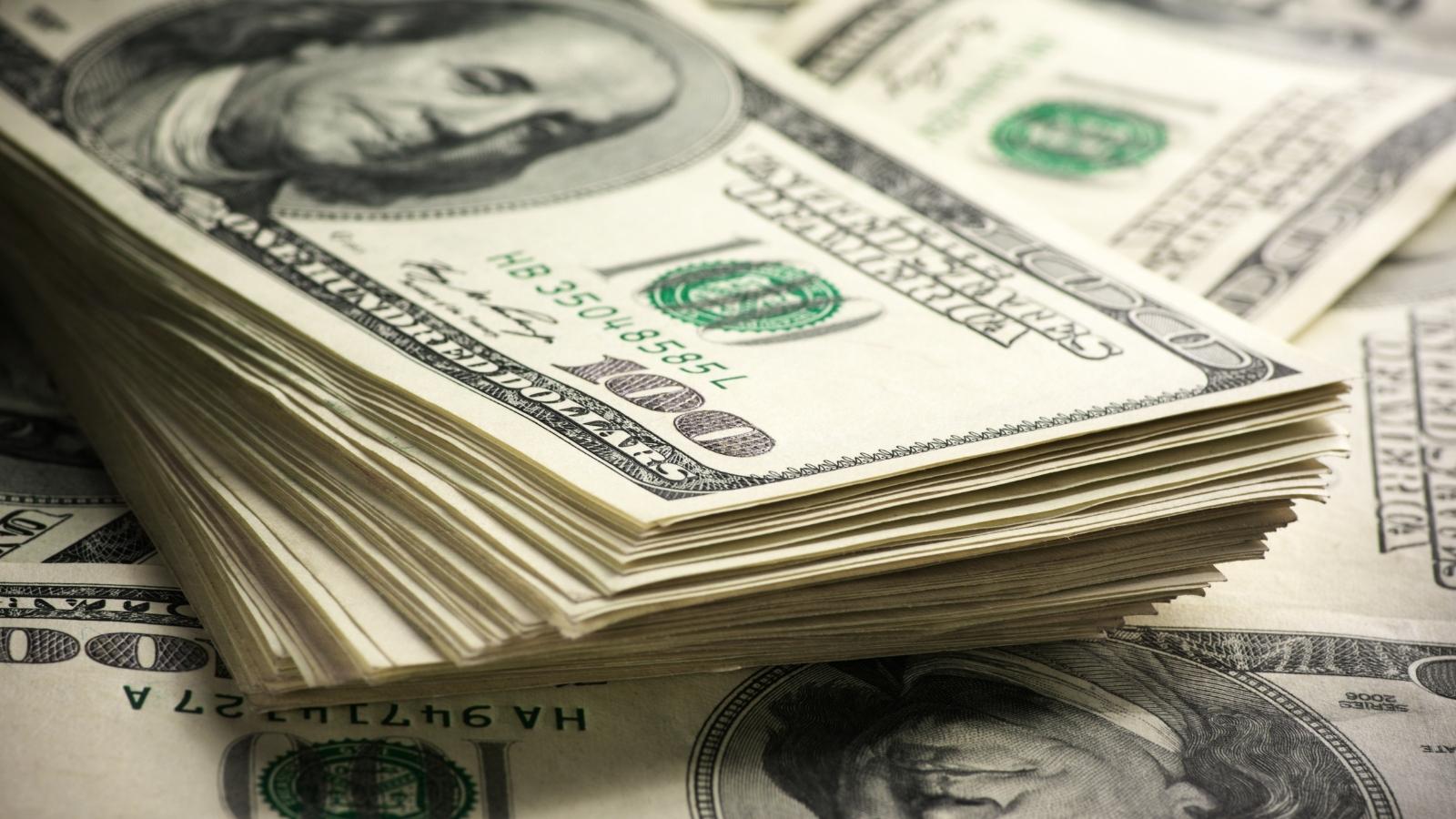
Gold and the U.S. dollar move like two kids on a seesaw. When one goes up, the other usually goes down. This inverse relationship is one of the most reliable patterns in the entire gold market.
Gold is priced globally in dollars. So when the dollar weakens, gold becomes cheaper for buyers holding other currencies, which lifts global demand and pushes the price higher. A stronger dollar does the reverse, making gold pricier abroad and often dragging the price down.
| Dollar Strength | Effect on Gold | Why |
|---|---|---|
| Weaker dollar | Price tends to rise | Gold gets cheaper for foreign buyers, demand climbs |
| Stronger dollar | Price tends to fall | Gold costs more abroad, demand cools |
There’s a second layer, too. Gold is a classic hedge against currency devaluation. When people lose faith in paper money, whether from money-printing or shaky policy, they reach for something that can’t be printed into oblivion. Gold’s fixed, slow-growing supply protects purchasing power in a way fiat currencies structurally can’t.
Critical point: This is why gold and economic instability travel together. A weaker dollar and rising fear are often two symptoms of the same underlying worry, and both send buyers toward the metal at once.
Why Central Banks Keep Buying
If you want to understand what’s really lifting gold lately, follow the biggest buyers in the room. Central banks have become a dominant force, and their appetite has been remarkable.
These institutions buy and hold gold to diversify their reserves away from fiat currencies, especially the dollar. It’s a hedge at the national level, an insurance policy against the very currency devaluation we just covered. When a country wants reserves that no other government can inflate or freeze, gold answers the call.
The numbers tell the story:
- Since 2022, central banks have bought over 1,000 tonnes of gold every single year
- In 2025, they added roughly 863 tonnes to official reserves
- Central banks now hold close to one-fifth of all the gold ever mined
Emerging-market central banks are leading this charge, steadily trading dollars for bullion. And because the physical supply of gold is relatively inelastic, this scale of central bank buying can drive up global gold prices on its own. When the European Central Bank, the Fed, and their peers all want more gold, that rope gets yanked hard toward higher prices.
Statistic worth remembering: Central bank demand at 1,000-plus tonnes a year is roughly a third of all newly mined gold. That’s a floor under prices that simply didn’t exist two decades ago.
For everyday sellers, this matters. The same forces pushing central banks to buy are the forces lifting the value of the piece in your jewelry box. When you get a free evaluation, you’re tapping into that exact market.
Supply, Demand, and Real-World Uses

Under all the macro drama sits a simpler engine: physical gold demand versus physical supply. This is the foundation everything else builds on.
On the demand side, three big buckets compete for the world’s gold:
- Jewelry: Historically the largest slice of consumption, roughly half of yearly demand in normal years. China and India dominate here, and demand spikes hard during India’s wedding season and festivals, where gold is woven into cultural traditions.
- Investment: Bars, coins, and gold ETFs let investors gain exposure to price movements. This channel exploded after 2000, and ETFs alone now hold staggering amounts. The SPDR Gold Shares ETF held over 1,000 tonnes of gold as of mid-2026.
- Technology and industry: Gold’s conductivity and corrosion resistance make it valuable in electronics and medical devices. Smaller in volume, but steady.
On the supply side, there’s a catch that keeps gold scarce. Mining new gold is slow and costly, adding only a few percent to the total stock each year. You can’t simply print more, and a rush of demand can’t magically summon new metal. That imbalance is exactly why demand shifts move the price so sharply.
One nuance worth flagging: high prices can actually dent jewelry demand. Global jewelry demand fell in 2024 as record prices priced out some buyers, even while investment demand surged. Same metal, opposite reactions, depending on who’s buying and why.
Fear, Sentiment, and the Safe Haven
Numbers and rates explain a lot, but gold has an emotional side too. It’s the asset people run toward when the world feels shaky, and that instinct moves markets.
Gold is the textbook safe-haven asset. During economic crises, geopolitical tensions, and political instability, investors pile in, and prices tend to surge. History backs this up again and again:
- During the 2008 financial crisis, gold climbed as uncertainty gripped markets
- Gold surged past $2,000 an ounce during the COVID-19 crisis in August 2020, an all-time high at the time
- Ongoing geopolitical events keep a steady bid under the metal today
Market sentiment can turn on a dime, and that’s the double edge. Changes in investor behavior can cause sharp price swings in either direction, and high trading volumes amplify whatever trend is already running. Market speculation, in other words, is its own force, sometimes pushing gold well past what the fundamentals alone would justify.
Pro tip: Fear-driven rallies can be excellent windows to sell gold, since panic buying inflates prices. The catch is that these spikes are unpredictable and can reverse fast. If gold jumps on a crisis and you’ve been meaning to sell, that’s often a moment worth acting on rather than waiting for more.
What This Means for Your Gold
Step back, and a clear takeaway emerges. The value of your gold is heavily influenced by forces far bigger than your individual piece, and understanding them turns you from a passive seller into a sharp one.
You don’t control interest rates, the dollar, or central bank buying. But you can read them. When rates look set to fall, the dollar weakens, or fear grips the headlines, gold prices tend to firm up, and that’s your cue to pay attention.
Nobody can perfectly time the market, and past performance never guarantees future performance. What you can do is sell into strength rather than weakness, armed with the context this guide gave you.
When that moment comes, we make the rest easy. Our team prices your piece against the live spot price, explains the math out loud, and hands you a fair, no-pressure offer. Knowing what affects gold value is the strategy. A trustworthy buyer is how you cash it in.
How the Price of Gold Is Set
Before you can read what moves gold, it helps to know who actually posts the number. The price of gold isn’t set by a single shop or a single country. It’s a global figure, agreed on by the biggest players in the market.
The key benchmark comes from the London Bullion Market Association. Twice each trading day, at 10:30 AM and 3:00 PM London time, major banks in the London bullion market run an electronic auction, submitting buy and sell orders until supply meets demand. The clearing figure becomes the LBMA Gold Price, a reference point that ripples across the global economy, from New York to Shanghai. It’s administered independently by ICE Benchmark Administration, and it’s quoted in U.S. dollars per troy ounce.
That last detail carries weight. Because gold trades in dollars worldwide, the metal effectively speaks one financial language everywhere. A buyer in Dubai and a seller in Miami work off the same benchmark, which is exactly why gold prices typically exhibit an inverse relationship with the U.S. dollar. When the dollar strengthens, gold often costs more abroad, and prices soften. A stronger U.S. dollar frequently corresponds with lower gold prices, and a weaker one tends to lift them.
Two more terms worth knowing:
- Spot price: The live rate for immediate delivery, bouncing by the second during market hours
- LBMA fix: The formal twice-daily benchmark that steadies contracts and big transactions
You don’t need to track auctions to sell smart. But knowing that a transparent, worldwide mechanism sets the price of gold today should reassure you. A fair buyer prices your piece against that same public number, not a figure pulled from thin air. When you get a free evaluation, that live benchmark is the starting line.
Why Supply Can’t Keep Up
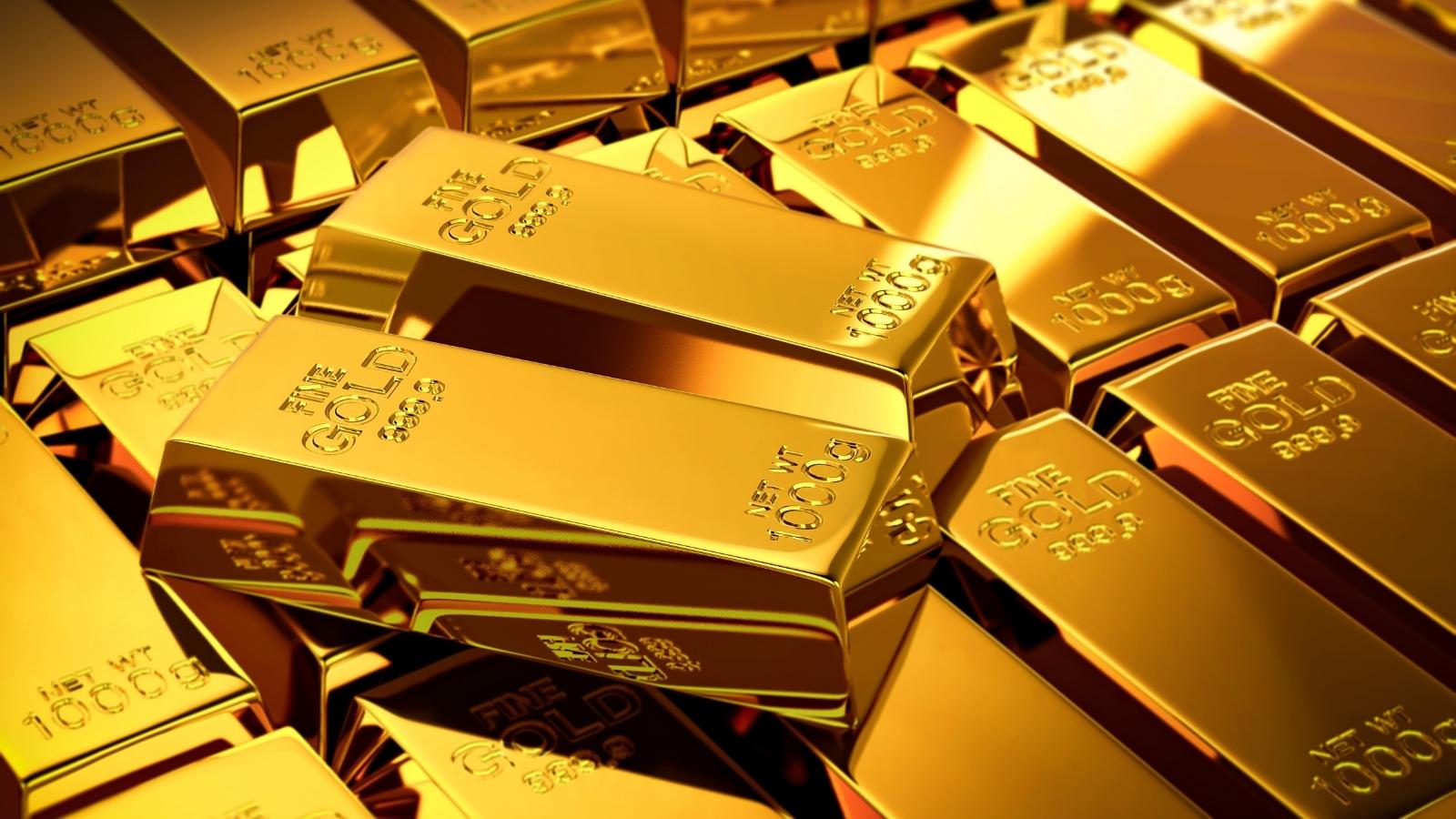
Here’s a truth that quietly props up every gold rally: the world can’t make more gold fast enough. That scarcity is one of the key factors behind rising prices, and it’s baked into the metal itself.
Mining production adds only a trickle to the total stock each year. Global output runs roughly 3,600 to 3,700 tonnes annually, a figure that has barely grown over the past decade despite record prices. In dead-simple terms, that’s a few million kilograms of new gold added to a stockpile built over thousands of years. New gold is slow, costly, and hard to scale, so supply can’t simply surge to meet a spike in demand for gold.
That inelastic supply is why the demand side does most of the heavy lifting on price. And lately, one buyer has been swinging that balance hard.
Central banks are stockpiling gold at a historic pace, growing their central bank reserves as a hedge against currency risk and economic uncertainty. The scale is striking:
| Year | Central Bank Gold Buying |
|---|---|
| 2021 | 463 tonnes |
| 2022 onward | Over 1,000 tonnes every year |
| 2025 | Roughly 863 tonnes |
Central banks now hold close to one-fifth of all mined gold, and their appetite has real muscle. When these institutions expand their gold holdings, that increased demand meets a supply that can’t stretch to match, and central bank buying can drive up global gold prices on its own. Back in 2020, surveys already showed around 20% of central banks planned to increase their reserves, and that trend only accelerated.
Private buyers add their own pull. Many investors now gain exposure through gold ETFs rather than storing bullion themselves. The SPDR Gold Shares ETF alone held over 1,000 tonnes of gold as of mid-2026, a reminder of how much gold investment demand sits parked in financial assets tracking the metal.
Layer it all together, and the picture is clear. When central banks, ETF investors, and everyday buyers all reach for gold at once, and mining can’t answer the call, prices climb. Under conditions of high inflation or shaky economic conditions, that pressure only intensifies.
For you, the takeaway is simple. The same supply squeeze lifting the global market lifts the value of the piece you own. When you’re ready to sell into that strength, we buy gold in nearly every form, priced against the live market.
Time the Market, Then Cash In With G&J Buyers
Gold’s price isn’t random; it’s a readable tug of war between rates, currencies, and the world’s biggest buyers. Learn the forces, and you stop guessing when to sell. You start timing it with confidence and clear eyes.
Here are the key takeaways to keep:
- Gold pays no interest, so falling rates lift its appeal
- The dollar and gold move in opposite directions
- Central bank buying is a powerful new floor under prices
- Fear and crises reliably send gold higher
- Supply barely grows, so demand drives the price
That’s exactly where we step in. At Gold & Jewelry Buyers, we track these market forces daily and price your piece against today’s live rate. Bring it in, watch us test it, and get your free quote. No pressure, no runaround.
Frequently Asked Questions
Could gold hit $10,000 an ounce?
Possibly, but nobody knows. Some analysts see it if inflation and central bank buying persist. No forecast is guaranteed, so watch the market closely.
What if I invested $10,000 in gold 20 years ago?
Gold ran about $450 an ounce in 2006 and trades near $4,500 today. That $10,000 would be worth roughly $100,000 now.
What really affects gold prices?
Interest rates, the U.S. dollar, central bank buying, inflation, and investor sentiment. Gold rises when rates fall, the dollar weakens, or fear grips markets.